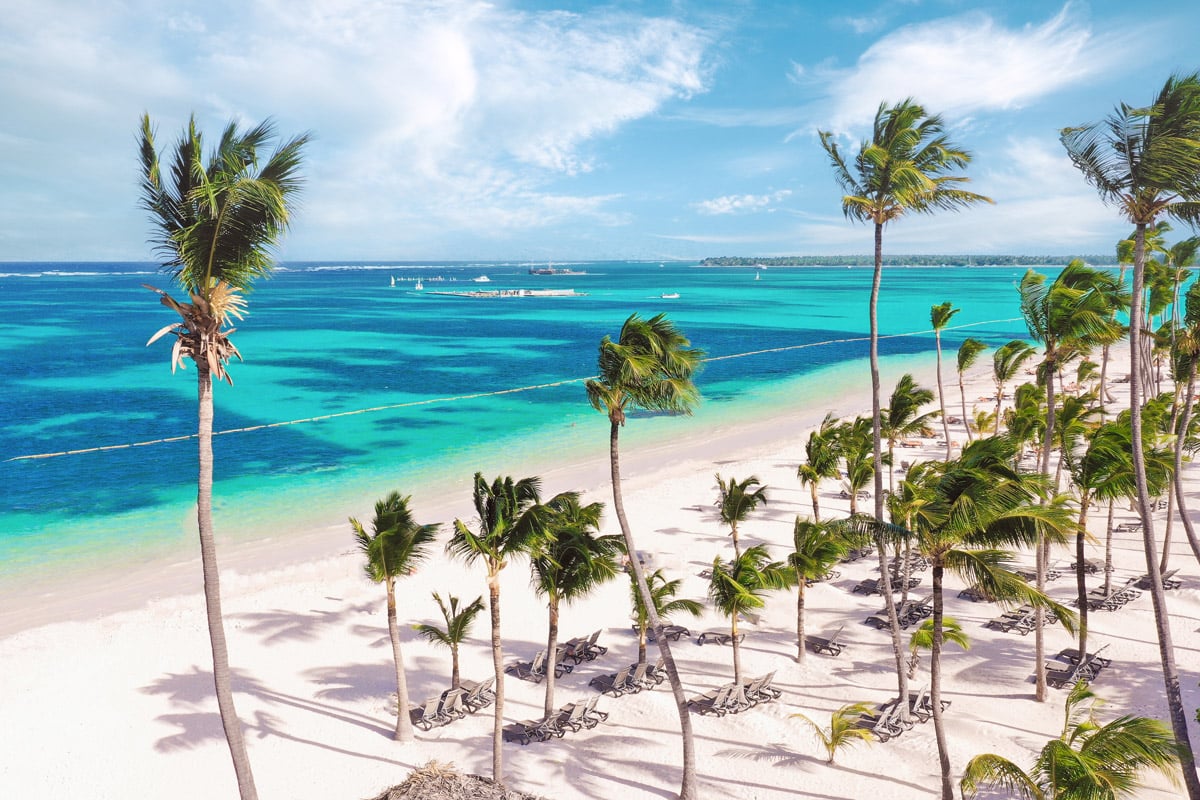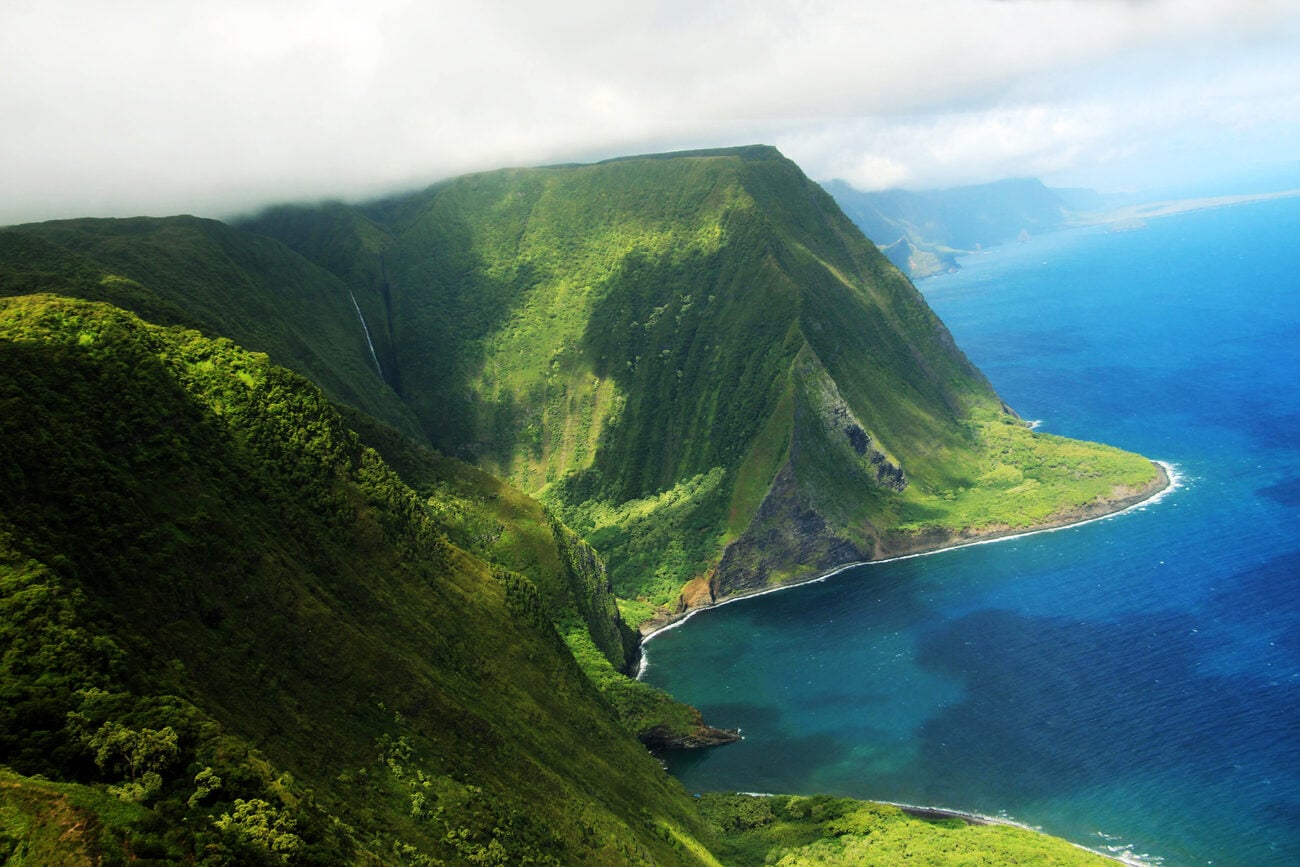
With warm weather, beautiful beaches, breathtaking scenery, and unforgettable experiences across the islands, there’s really no bad time for a Hawaii vacation—and it’s no wonder the Aloha State draws more than 10 million tourists every year1.
The best time to go depends on the kind of getaway you’re dreaming about. Whether that means sunny beach days with the family, whale watching, hiking through lush landscapes, or simply spending time together in paradise.
From seasonal weather and crowds to can’t-miss activities, here’s what to consider when deciding when to visit Hawaii.
What to Know Before You Go
Before you arrive at the airport, make sure you have a valid U.S. federal or state-issued photo ID, such as a REAL ID driver’s license or passport. Check that any bottles of liquids, gels, or aerosols are 3.4 ounces or less2. Check the TSA website for more travel guidelines to make the process go smoothly.
True to the laid-back feel of the culture, travelers and locals alike tend to dress casually. Bring comfortable walking shoes and sandals, warm-weather clothes, and hats and sunglasses for sun protection. Temperatures get cool when the sun sets during the winter months, so bring a light jacket if you’re visiting from December to March. Use reef-safe sunscreen to help protect the coral and other marine life.
Hawaii is a special place with diverse wildlife, sacred sites, and a warm, vibrant community, deeply connected to their home. It’s a good idea to get an understanding of the cultural customs and etiquette of the islands so you can travel responsibly. Here are some tips to keep your visit respectful:
When receiving a lei, bow your head to accept it with gratitude. If you must take it off, you can place it on the ground or in the ocean instead of throwing it away.
Locals deeply respect the environment and believe in maintaining a harmonious relationship with the land. You may hear the phrase “mālama ʻāina,” which means “to care for the land3.” Avoid picking up rocks or plants from protected areas and recycle any plastic. Stick to marked trails if you’re hiking.
Many endangered and protected animals live in and around Hawaii, including green sea turtles and Hawaiian monk seals. It’s against state and federal law to touch, feed, or disturb these animals, so keep a respectful distance and enjoy them from afar4.
When to Travel
Summer
Summer can be a great choice for families and travelers dreaming of long, sunny beach days. There’s less rain, the ocean is warm (perfect for water sports), and many families are on summer break. This time of year is busier, but there’s also plenty to see and do throughout the islands. You can check out the annual Ukulele Festival Hawaii in Waikiki, Maui, and Kaua’i.
Fall
If fewer crowds and potential vacation savings are priorities, consider traveling during parts of fall. You might get some rainfall later in the season, but most rain will occur on the windward (northeast) sides of the islands. The Hawaii Food and Wine Festival in Honolulu is a seasonal highlight, generally taking place from mid-October to early November.
Winter
Winter brings some of Hawaii's most memorable seasonal experiences, including whale watching and big-wave surfing. The holiday season is the most popular time of year for tourism; this is when the islands get the most crowds. Temperatures are slightly lower than in the summer, with an average daytime temperature of 78°F. Rainfall is the heaviest this time of year, so bring a rain jacket.
Whale watching runs from November until April, and if you’re into surfing, expect big waves on the North Shore of Oahu this time of year. Makahiki, the traditional harvest/festival season, also takes place in winter. Aloha Festivals, lū’aus, hula, and feasts can be exciting cultural events to add to your itinerary.
Spring
Spring combines warmer, drier conditions with opportunities for hiking, sightseeing, and enjoying Hawaii's lush landscapes. The rain tends to ease off by the end of April, bringing colorful spring flowers. This is a great time to visit a botanical garden and take in Hawaii’s vibrant natural beauty. Travelers also find hiking is best during the spring, especially in Kaua’i.
Where to Stay in Hawaii
The Big Island
The Island of Hawaii, or The Big Island, is the largest of the Hawaiian Islands. This expansive paradise offers a wide range of accommodations. Stay at the Castle Halii Kai at Waikoloa, with rooms featuring stunning views, an oceanfront bar and grill serving fresh-caught seafood and local ingredients, and plenty of amenities. Other popular resorts include the Royal Kona Resort, OUTRIGGER Kona Resort & Spa, and Waikoloa Beach Marriott Resort and Spa.
Maui
When you need a break from exploring volcanic hills, lush rainforests, and stunning waterfalls on Maui, you can rest in luxury at one of the many island resorts. Popular accommodations include the Hyatt Regency Maui Resort and Spa, with a Hawaiian buffet and oceanfront views, and the OUTRIGGER Ka’anapali Beach Resort, where kids stay FREE. Other top choices are the Royal Lahaina Resort & Bungalows and The Westin Maui Resort & Spa, Ka’anapali.
Kaua’i
Vacationers in Kaua’i can enjoy stunning canyons, scenic coastlines, and luxurious resorts featuring on-site watersports and local eats. Try the Grand Hyatt Kauai Resort & Spa, the OUTRIGGER Kauai Beach Resort & Spa, the Aston Islander on the Beach, or the Castle Kiahuna Plantation & The Beach Bungalows to make you feel like you’re in paradise.
Oahu
With a diverse blend of Eastern and Western cultures, the iconic Waikiki beach, and plenty of historical sights, Oahu is a dream destination for travelers of all types. The best resorts include the Hyatt Regency Waikiki Beach Resort, Moana Surfrider, a Westin Resort & Spa, Waikiki Beach, and Waikiki Beach Marriott Resort & Spa. Enjoy popular Hawaiian treats, luaus, fresh seafood, and amazing oceanfront views.
Simplify Planning With Apple Vacations
Once you’ve decided when to visit Hawaii, Apple Vacations makes it easier to bring the trip together. Bundle your flights and resort stay into one convenient vacation package, with options for families, couples, and friends ready to make new memories together.
Depending on your package, you can also enjoy added benefits such as Exclusive Perks at select resorts and destination support from Amstar assistance.
Ready to find your island? Explore Hawaii vacation packages with Apple Vacations and Start Your Story.
FAQ
When is the best time to go to Hawaii?
In truth, there is no “best time to visit Hawaii,” because the islands are beautiful year-round. The right time to visit will depend on your preferences. Activities like whale watching and surfing are big in the winter months, while perfect beach days and festivals are more prominent in the summer. Spring and fall are considered off-seasons, ideal for budget-conscious travelers and those who want the smallest crowds.
When is the rainy season in Hawaii?
The rainy season in Hawaii typically lasts from November to April. While some travelers are wary of the rain, it gives life to the scenery, creating lush, picturesque landscapes. Rainfall also varies widely depending on where you’re visiting. Some areas, like the north and east sides of the islands, receive heavy rain, while others don’t get much at all. Always check the weather forecast before you go.
What is the cheapest time to visit Hawaii?
The best time of year to visit Hawaii on a budget is during the shoulder seasons, from late April to early June and September to mid-December. The off-season is less crowded and has the fewest holidays to attract visitors. With less demand, prices tend to be lower. Flights and accommodations often have better deals during these times of year. Plus, there’s less competition for good seats, hotel rooms, and activities, so you’re more likely to find bookings that fit your preferred schedule.
What is Hawaii’s weather like throughout the year?
Hawaii has a warm, tropical climate most of the year, with two main seasons: summer (May to October) and winter (November to April). Summer is the dry season, with temperatures in the mid-80s°F during the day, falling to the low-70s°F at night. Winter is the rainy season. The windward sides of the island have the most rainfall. Daytime temperatures stay in the low-80s°F, with night temperatures dropping to the mid-60s°F.
Sources:
- Derrick, J. (12 November 2025). Hawai‘i Tourism Statistics. Hawai‘i Guide. Retrieved September 9, 2026, from https://www.hawaii-guide.com/hawaii-tourism-statistics
- Before You Travel. Go Hawaii. Retrieved September 9, 2026, from https://www.gohawaii.com/trip-planning/planning-your-trip/before-traveling
- (5 May 2024). Mālama ʻĀina: History and Importance in Hawaiian Culture. Kona Cloud Forest Sanctuary. Retrieved September 9, 2026, from https://konacloudforest.com/blog/history-of-malama-aina-in-hawaii/
- Protecting Marine Species. State of Hawaii Department of Land and Natural Resources. Retrieved September 9, 2026, from https://dlnr.hawaii.gov/dobor/protecting-marine-species/